

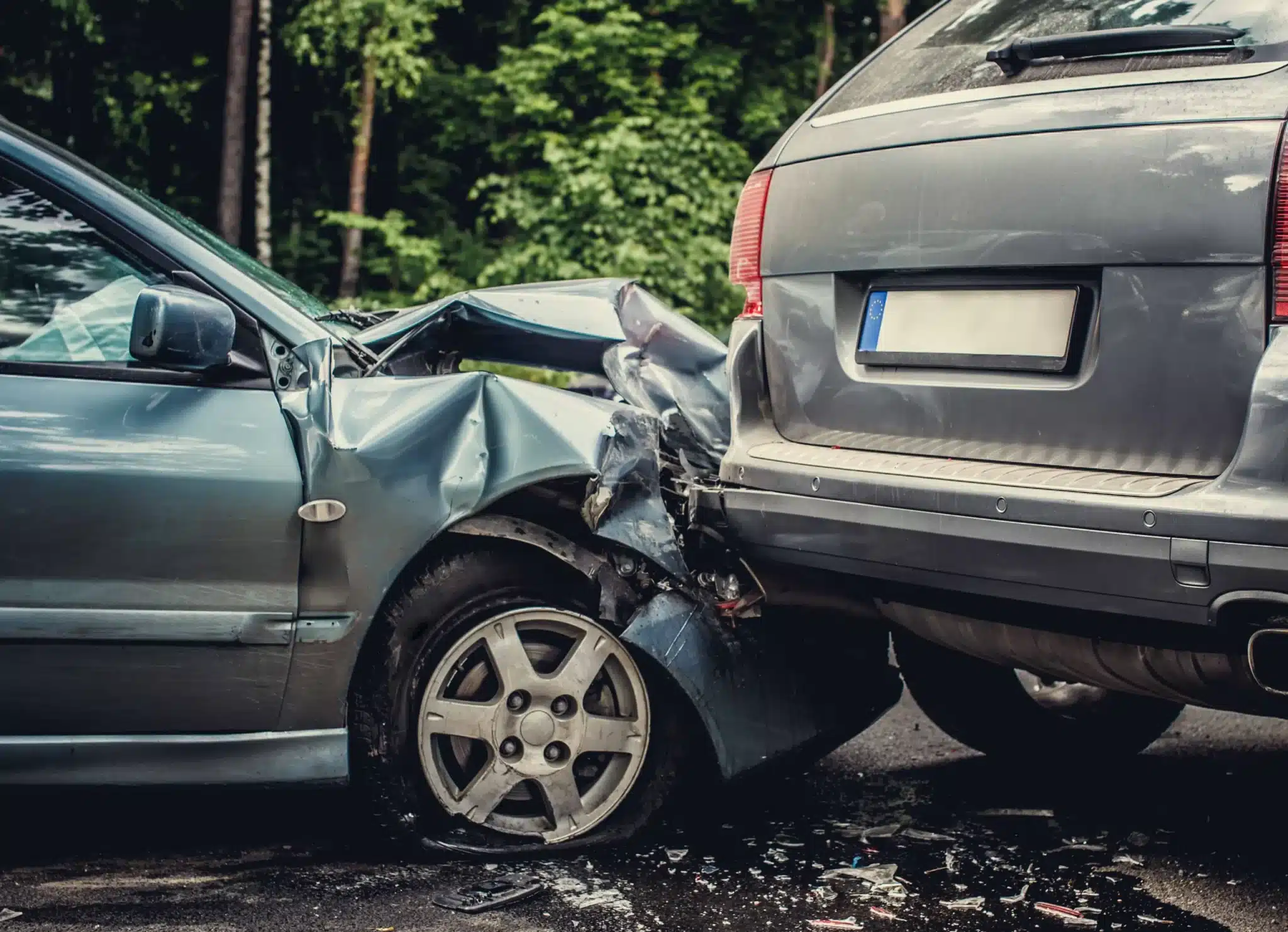
Arizona holds a troubling national distinction: it ranks first in the country for road rage and aggressive driving, according to the Arizona Department of Public Safety (AZDPS). In Phoenix, the state’s largest and fastest-growing metro, that ranking plays out on the ground every day. From fatal shootings on central city streets to armed robberies following freeway confrontations, road rage in the Phoenix area has become one of the most serious public safety issues facing drivers in 2026.
This guide covers the most recent Phoenix road rage incidents, the legal consequences under Arizona law, what state officials recommend when you encounter an aggressive driver, and the practical steps you can take right now to protect yourself and your passengers.
How Bad Is Road Rage in Arizona? The 2026 Numbers
The scale of the problem is significant and has grown sharply over the past five years:
• Road rage incidents in Arizona roughly doubled from approximately 500 reported cases in 2020 to more than 1,000 in 2024, according to AZDPS data.
• 2025 saw a modest decline to just over 900 reported cases but officials have cautioned that the underlying conditions driving aggressive behavior have not changed.
• 81% of Arizona drivers report having been yelled at, insulted, or threatened while driving, based on a national survey by The Zebra that ranked Arizona the worst state in the country.
• 22.5% of Arizona drivers report having been deliberately forced off the road by another driver.
• Speeding, a frequent precursor to road rage confrontations, is linked to 19% of fatal crashes statewide.
“Reduced traffic enforcement may be a contributing factor to the increase in aggressive behavior,” said Jesse Torres, a Phoenix-area traffic safety advocate. “When drivers don’t expect consequences, risky behavior patterns worsen over time.”
Phoenix sits at the center of this statewide crisis. High-density corridors particularly Interstate 10 and Loop 202 consistently appear in incident reports, and the cases from early 2026 show the danger is far from resolved. For more details, click here and learn more about it that how it occurs and how it affected the drivers specifically in the incident.
Recent Phoenix Road Rage Incidents: 2025–2026
Fatal Shooting in Central Phoenix (September 2025)
One of the most consequential recent cases began as what witnesses described as a mutual escalation between two drivers weaving aggressively through central Phoenix traffic. The confrontation came to a head at a red light when one driver exited his vehicle and shot the other in the neck, killing him.
Six months after the shooting, a Maricopa County grand jury returned an indictment on a manslaughter charge against the shooter. Maricopa County Attorney Rachel Mitchell acknowledged the complexity of the case at the time, noting that both parties had contributed to escalating the encounter but emphasized that the presence of a weapon dramatically changes the legal calculus, regardless of who initiated the conflict.
Key legal point: In Arizona, contributing to an escalation does not shield a victim from being shot but it can complicate a shooter’s self-defense claim. Once a firearm enters the situation, all involved parties face serious and unpredictable legal exposure.
I-10 Road Rage Shooting Turns Into Armed Robbery (April 2026)
A road rage incident near Interstate 10 in April 2026 rapidly escalated into a multi-charge criminal case. According to police, an 18-year-old driver fired at another vehicle, accidentally damaging his own car in the process. The victim, rather than fleeing, began following the suspect while calling 911.
The suspect eventually lost control of the vehicle and overturned. When the victim’s car also crashed into the suspect’s, the suspect allegedly robbed the victim at gunpoint before fleeing on foot. Officers recovered the firearm nearby. The suspect was arrested and charged with drive-by shooting, aggravated assault, and armed robbery three separate felonies arising from a single road rage encounter.
The case illustrates how a single moment of aggression on the highway can cascade into a string of serious crimes within minutes.
Stabbing on Loop 202 Off-Ramp, Mesa (April 2026)
Not all road rage incidents in the Phoenix area involve firearms. In April 2026, two drivers became involved in a physical altercation on the Guadalupe Road off-ramp of State Route 202 in Mesa. One person was stabbed during the fight. Despite the severity of the injury, the victim managed to drive himself to an urgent care facility. The off-ramp was shut down for several hours while police investigated.
The incident occurred during daytime hours in a busy suburban traffic area, a reminder that road rage can escalate to violence anywhere, at any time, and is not confined to late-night or highway driving.
The Heather Arriaga Manslaughter Case: When Legal Outcomes Are Unpredictable
One of the most closely watched phoenix road rage cases in recent Arizona legal history involved the death of 54-year-old Stephen Guardino. Witnesses reported that both Guardino and the other driver Heather Arriaga had been cutting each other off and following too closely before the confrontation turned fatal. Arriaga was later indicted on a manslaughter charge.
What drew particular attention was the contrast with a similar case during the same period that did not result in an indictment. Legal observers noted that outcomes in these cases depend heavily on the specific facts available to prosecutors witness accounts, dashcam footage, and physical evidence can tip the balance dramatically.
Takeaway for drivers: Even if you feel provoked, using force or continuing to engage with an aggressive driver can expose you to criminal liability. The law does not automatically side with whoever was “defending themselves” if the situation was mutually escalated.
What Triggers Road Rage on Phoenix Roads?
Understanding the behaviors that most commonly ignite confrontations is the first step in avoiding them. According to AZDPS incident data and traffic safety research, the most frequent triggers include:
• Cutting off other vehicles or sudden lane changes without signaling
• Tailgating or following too closely at high speed
• Blocking lane changes deliberately reported by more than 56% of Arizona drivers as a frequent experience
• Threatening gestures, yelling, or honking excessively
• Forcing another vehicle to brake or swerve
Younger male drivers in high-density traffic corridors statistically show the highest rates of aggressive behavior. But road rage is not demographic stress, running late, heat, and general frustration are documented contributing factors that affect all driver types. Phoenix’s rapid population growth and chronic freeway congestion amplify all of these pressures.
Arizona Road Rage Law: What Are the Legal Consequences?
Road rage behavior in Arizona can trigger criminal charges across a wide spectrum depending on severity:
• Aggressive driving (ARS § 28-695): A Class 1 misdemeanor for a combination of speeding plus two or more moving violations committed simultaneously.
• Disorderly conduct (ARS § 13-2904): Covers threatening or intimidating behavior, including making threatening gestures from a vehicle.
• Aggravated assault (ARS § 13-1204): A felony charge that applies when a dangerous instrument (including a vehicle) is used to threaten or injure someone.
• Drive-by shooting (ARS § 13-1209): A Class 2 felony when a weapon is discharged from a vehicle.
• Manslaughter or second-degree murder: Applicable when road rage leads to a fatality, depending on whether the act was reckless or intentional.
A criminal conviction for a road rage-related felony in Arizona can result in prison time, permanent loss of driving privileges, and a lifelong criminal record. Civil liability separate from criminal charges is also possible if the victim or their family pursues damages.
Is road rage a felony in Arizona? It can be. Charges escalate to felony level when weapons, serious injury, or death are involved. The April 2026 I-10 case resulted in three separate felony charges from a single incident.
What AZDPS Recommends: How to Stay Safe When Facing Road Rage
The Arizona Department of Public Safety provides the following guidance for drivers who encounter an aggressive or threatening motorist:
• Do not engage. Avoid eye contact, retaliatory gestures, and any response that could be interpreted as a challenge.
• Increase distance. Create as much space as possible between your vehicle and the aggressor change lanes, slow down, or take an exit.
• Do not follow. Even if you feel wronged, pursuing the other driver dramatically increases your risk of violence and can expose you to legal liability.
• Call 911 when it is safe to do so. Provide the license plate number, vehicle description and color, direction of travel, and a description of the driver if possible.
• Use a dashcam if you have one. Video evidence is increasingly critical in both criminal investigations and insurance disputes. If you do not have a dashcam, do not attempt to record while driving.
• Pull over to a safe, public location if you feel you are being followed. Do not drive home. Drive to a police station, a well-lit gas station, or any location with other people present.
The single most effective decision you can make in a road rage situation is to disengage completely. No argument about right-of-way, no gesture, no honked horn is worth a confrontation that can turn lethal in seconds.
Why Is Road Rage Increasing in Phoenix?
Traffic safety researchers and Arizona officials point to several overlapping factors:
• Population growth and congestion: Metro Phoenix has grown faster than its road infrastructure, leading to chronic congestion on freeways that were not designed for current traffic volumes.
• Reduced enforcement visibility: Traffic patrol resources have not kept pace with population growth, which research suggests correlates with more risk-taking behavior among drivers.
• Post-pandemic driving culture: Studies have documented a nationwide increase in aggressive driving behavior since 2020, with higher rates of speeding and risk-taking that have persisted even as traffic volumes normalized.
• Heat: Phoenix’s extreme summer temperatures are a documented stressor. Research from Arizona State University has linked higher ambient temperatures with increased driver aggression.
None of these factors excuse violent behavior but understanding them helps explain why Phoenix has become a particularly difficult environment for keeping road rage incidents in check.
Frequently Asked Questions
Where does Arizona rank for road rage nationally?
Arizona ranks first in the nation for road rage and aggressive driving incidents, according to national survey data compiled by The Zebra.
Is aggressive driving the same as road rage?
No. Aggressive driving speeding, tailgating, improper lane changes is a traffic violation handled as a civil infraction or misdemeanor. Road rage involves intentional acts meant to threaten, harm, or intimidate another driver, and is a criminal offense. The distinction matters legally: road rage charges carry significantly heavier penalties.
What are the three types of road rage?
Road rage typically falls into three escalating categories: verbal aggression (yelling, threats, gesturing), physical aggression (blocking, ramming, following on foot), and armed aggression (using a weapon to threaten or harm). Arizona law addresses all three, with criminal penalties scaling with severity.
Can road rage be a felony in Arizona?
Yes. Road rage becomes a felony when it involves a weapon, causes serious bodily injury, or results in death. Charges can include aggravated assault, drive-by shooting, manslaughter, or second-degree murder — all felonies that carry prison sentences under Arizona law.
What should I do immediately after a road rage incident?
Put as much distance as possible between yourself and the other driver. Call 911 and report the incident with as many identifying details as you can remember. Do not go home if you believe you are being followed. Write down everything you remember about the vehicle, the driver, and the sequence of events as soon as it is safe to do so. If you were injured or your vehicle was damaged, consult an attorney, you may have both criminal complaint options and civil remedies available.
Who is most at risk of road rage behavior?
Statistical data consistently shows younger male drivers in high-density traffic environments display the highest rates of aggressive driving. However, road rage incidents involve all driver demographics. Situational stressors running late, extreme heat, congestion are reliable predictors regardless of age or gender.
The Bottom Line for Phoenix Drivers in 2026
Arizona’s road rage problem is not a statistical abstraction. The cases from 2025 and early 2026, a fatal shooting in central Phoenix, an 18-year-old facing three felony charges after an I-10 confrontation, and a stabbing on a Mesa freeway ramp reflect real consequences for real people who found themselves in situations that escalated far beyond a traffic dispute.
The most important thing you can take from this article is simple: disengage. Give aggressive drivers room. Do not match their energy. Call 911 and let law enforcement handle it. No gesture, no lane dispute, no moment of feeling disrespected is worth the legal, financial, and human cost of a road rage confrontation in 2026 Arizona.
If you were injured or threatened in a road rage incident in the Phoenix area, consulting with a qualified Arizona attorney can help you understand your options both in terms of criminal complaints and potential civil claims against the responsible driver.