

| ⚠ Price Disclaimer: All prices shown are national averages for reference only. Actual payout depends on your local yard, current LME rates, material condition, and date of sale. Always call your yard to confirm before bringing in a load. |
If you’ve ever left a scrap yard feeling shortchanged, the reason is almost always the same: not knowing what grade your aluminum was before you walked in. The aluminum scrap price per pound in 2026 ranges from as low as $0.05 for aluminum wound motors all the way to $1.15 or more for clean aluminum wire a difference of over $400 per ton depending on what you bring and how it’s prepared.
As someone who has spent over a decade on both sides of the scrap scale, I’ve seen sellers lose 30–40% of their potential payout simply because they didn’t separate clean material from dirty, or because they showed up without knowing what grade they had. This guide changes that.
2026 Aluminum Scrap Price Per Pound: Quick Reference Table
Use this table to identify your material and its current market value range before visiting any yard. Prices reflect national averages as of April 2026 and are updated monthly.
| Aluminum Grade | Price Range (per lb) | Common Sources | Condition Required |
| Clean Aluminum Wire | $0.95 – $1.15 | Electrical wiring, cable | No insulation, no coatings |
| Clean Extrusions (6063/6061) | $0.80 – $0.90 | Window frames, construction | No paint, no attachments |
| Aluminum Rims (cleaned) | $0.75 – $0.85 | Auto wheels | No steel, no rubber, no weights |
| Sheet Aluminum (clean) | $0.70 – $0.80 | HVAC panels, manufacturing | No hardware, no coatings |
| Cast Aluminum | $0.45 – $0.60 | Engine blocks, transmissions | No oil, no steel bolts |
| Aluminum Cans | $0.40 – $0.55 | Beverage cans | Dry, no liquids |
| Irony/Dirty Aluminum | $0.25 – $0.42 | Mixed scrap with attachments | Contains steel, rubber, plastic |
| Aluminum Wound Motors | $0.05 – $0.15 | Electric motors | Mixed metals inside |
How Aluminum Scrap Grades Work
Scrap yards don’t price aluminum by weight alone — they price it by what they can actually do with it. A yard buying clean 6063 extrusions knows exactly what alloy it’s getting, which means it can be sent straight to a mill for remelting with minimal pre-processing. If you’re also scrapping other metals alongside copper, it’s worth comparing the copper scrap price today. A bag of mixed aluminum with steel bolts still attached? That requires sorting labor, reducing the mill’s output yield, and accepting uncertainty about the final alloy all of which the yard passes back to you as a lower price.
Three things determine your grade:
• Alloy consistency: Known alloys (6061, 6063, 356) command premiums. Mixed or unknown alloys don’t.
• Contamination level: Steel, rubber, plastic, paint, and oil all reduce value. Even a small percentage of contamination can downgrade a whole batch.
• Form and processing required: Wire must be stripped or it’s priced as insulated. Rims must be de-steeled. Engines must be de-oiled.
Highest-Paying Aluminum Scrap Types Explained
Clean Aluminum Extrusions — $0.80 to $0.90/lb
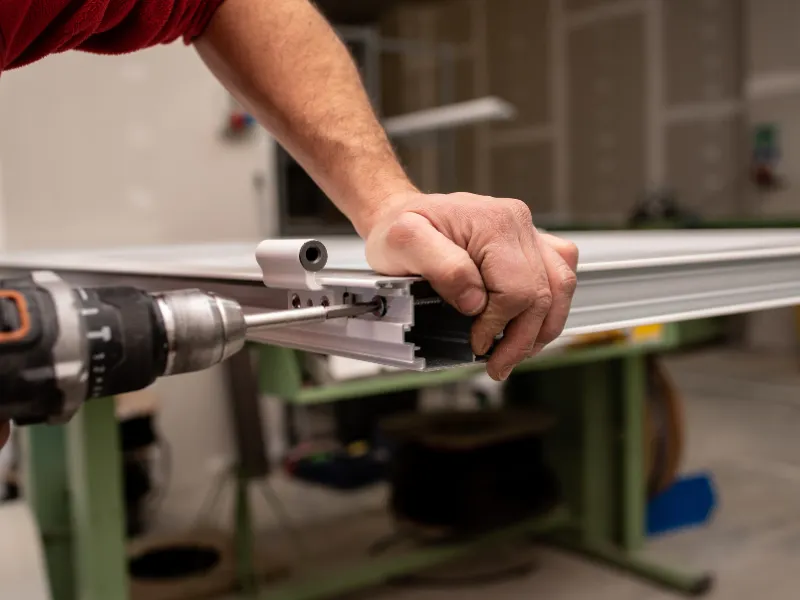
Extrusions made from 6063 or 6061 alloy window frames, curtain wall profiles, door thresholds, industrial racking are the bread and butter of high-value aluminum recycling. Their consistent composition means mills pay a premium, and that premium gets passed to sellers who bring clean, uncoated material. Remove all screws, plastic end caps, and rubber gaskets before the sale.
Clean Aluminum Wire — $0.95 to $1.15/lb
Stripped aluminum electrical wire, free of insulation, hits the top of the pricing scale at most yards. The catch is that insulated wire prices at $0.30–$0.50/lb, so whether you strip it yourself or sell it as-is depends on the volume and your time. For large quantities, stripping almost always wins.
Aluminum Rims — $0.75 to $0.85/lb
Alloy wheels from cars and trucks are easy to identify and consistently well-priced, provided you remove the steel valve stem, wheel weights, and any remaining tire rubber. A rim with a tire attached will be priced at the dirty rate. A clean, bare rim goes for top dollar.
Aluminum Cans — $0.40 to $0.55/lb
Cans are the entry point to aluminum recycling for most people. They’re universally accepted and priced across all yards, but volume is the game you need roughly 32 cans to make a pound. Crush them to save space during storage.
What Is Dirty Aluminum and Why Does It Pay Less?
‘Dirty aluminum’ is the industry term for any aluminum that contains non-aluminum attachments or surface contamination; steel bolts, rubber gaskets, plastic fittings, heavy grease, or thick paint coatings. The dirty rate at most yards currently sits between $0.25 and $0.42/lb, compared to $0.70–$0.90 for clean material. That gap roughly $0.27 to $0.48 per pound represents the yard’s cost to sort and process what you didn’t. Along with that, for a broader metals overview, check current steel prices per pound.
Here’s what’s important to understand: a single contaminated piece mixed into a clean load can get the entire batch downgraded. Yards spot-check incoming loads, and if they find iron material in what you’re calling ‘clean extrusions,’ the whole load gets repriced at the dirty rate. Segregating your material before you load the truck is the single most valuable thing you can do.
Household Aluminum Scrap: Everyday Items and What They Pay
Not everyone is a commercial scrapper. If you’re cleaning out a garage, finishing a renovation, or scrapping an old appliance, here’s what common household aluminum is worth:
• Aluminum window frames: $0.55–$0.75/lb (remove glass, hardware, and weatherstripping)
• Gutters and downspouts: $0.50–$0.65/lb (clean, no painted sections if possible)
• HVAC coils (aluminum): $0.40–$0.60/lb (may be priced as ‘dirty’ if fins are damaged)
• Lawn furniture: $0.35–$0.55/lb (remove plastic webbing, rubber feet, steel fasteners)
• Beverage cans: $0.40–$0.55/lb (clean, dry)
• Aluminum ladders: $0.45–$0.60/lb (may have steel rivets — yard will adjust)
What Moves the Aluminum Scrap Price Per Pound
Scrap prices don’t move in isolation. Several interconnected forces push prices up or down on any given week, and understanding them helps you decide when to sell rather than just reacting to whatever the yard posts.
LME Aluminum Futures
The London Metal Exchange sets the global benchmark price for primary aluminum. As of April 2026, LME aluminum futures are trading near $3,465 per tonne (roughly $1.57/lb for primary metal). Domestic scrap prices follow LME direction closely when futures move up, yards raise buying prices within days. When futures fall, they adjust equally fast.
Energy Costs and Industrial Demand
Aluminum smelting is enormously energy-intensive. When energy costs rise particularly in energy-heavy industrial sectors like diesel-dependent transportation and off-road equipment smelters reduce production output. Lower primary supply pushes buyers toward scrap as a substitute, and scrap prices rise accordingly. Industries that rely on off road diesel fuel for mining, agriculture, and construction machinery directly influence how much primary vs. secondary aluminum gets produced, which flows back into what yards will pay you.
Tariffs and Trade Policy
Import and export tariffs on primary aluminum affect how much domestic mills need from the scrap market to fill production gaps. The current tariff environment has contributed to the roughly 20% year-over-year price increase in aluminum through early 2026.
Regional Supply and Competition
A yard in Detroit, where automotive aluminum is abundant, may pay differently than a yard in a rural market with few sellers. Urban and industrial markets tend to have more competition between yards, which generally works in the seller’s favor.
How to Sell Aluminum Scrap for Maximum Payout: Step-by-Step
1. Run the magnet test. Aluminum won’t stick. Zinc, die-cast, and some pot metal will. This prevents misclassification at the scale.
2. Sort by grade. Separate clean extrusions from sheet, wire from cans, and all clean material from anything irony or dirty. Use labeled bins or bags.
3. Remove all attachments. Strip screws, bolts, rubber, plastic, insulation, and hardware before loading. Even a small amount can trigger a downgrade.
4. Weigh and estimate at home. A bathroom scale gives you enough to calculate an expected payout range before you drive.
5. Call ahead. Ask your local yard for today’s posted prices by grade. Also ask if they have a volume tier for larger loads — many yards offer better rates over 500 lbs that aren’t publicly listed.
6. Compare at least two yards. For large loads, a visit here to a metals recycling directory can surface yards within driving range paying above-average rates. A $0.05/lb difference on 1,000 lbs is $50 — worth one phone call.
7. Bring ID. Most yards are legally required to record seller identification under state scrap metal laws. Having it ready speeds up the transaction.
Pro tip from the yard floor: Properly sorted materials can yield 20–40% more than unsorted scrap. Store everything in a dry, covered area before selling — water weight adds pounds the yard will deduct, and oil contamination triggers automatic downgrade.
2026 Aluminum Market Outlook
The aluminum market entering 2026 is tighter than it has been in several years. Three converging factors are keeping prices elevated:
• Supply constraints: Global aluminum production has been capped by high energy costs and reduced Chinese export quotas, keeping primary supply below demand growth.
• Automotive and construction demand: EV manufacturing, aerospace, and commercial construction are all expanding aluminum usage, pulling secondary scrap into production pipelines.
• Tariff environment: U.S. tariffs on primary aluminum imports have pushed domestic mills to increase their scrap intake, strengthening scrap premiums.
Month-to-month, aluminum scrap prices can swing 5–10%. Sellers who monitor LME direction before deciding when to bring in material can catch upward moves rather than selling into declining weeks. For large accumulations, tracking the market for 2–4 weeks before selling is a reasonable strategy.
Frequently Asked Questions
How much is aluminum scrap per pound in 2026?
The national average for aluminum scrap is approximately $0.69 per pound in 2026, but this figure covers a wide range. Clean aluminum wire can fetch $0.95–$1.15/lb, while low-grade dirty aluminum or aluminum wound motors may pay as little as $0.05–$0.15/lb. Your actual payout depends on the grade you bring, its condition, and your local yard’s current rates.
How many pounds of aluminum do I need to make $100?
At the average rate of $0.69/lb, you need approximately 145 pounds of clean aluminum to earn $100. If you have higher-grade material like clean extrusions at $0.85/lb, that drops to around 118 pounds. Cans at $0.50/lb would require 200 pounds — roughly 6,400 beverage cans.
What is dirty aluminum scrap?
Dirty aluminum is any aluminum that contains non-aluminum contaminants — steel hardware, rubber gaskets, plastic fittings, thick paint, or oil residue. Yards price dirty aluminum significantly lower because they must absorb the cost of sorting and processing before the metal can be sent to a mill. Removing attachments before you sell is the fastest way to move from the dirty rate to the clean rate.
What’s the difference between cast and extruded aluminum scrap prices?
Cast aluminum (engine blocks, transmission housings, machine housings) typically prices between $0.45–$0.60/lb when clean, below the $0.80–$0.90/lb range for clean extrusions. Cast alloys are more variable in composition, which makes them less predictable for mills to work with — hence the lower premium.
Where can I get the best aluminum scrap prices near me?
Specialized scrap yards and full-service metal recyclers consistently pay better rates than general waste haulers or pawn shops. Call at least two yards before bringing in a large load, ask about volume pricing tiers, and check if they have a minimum weight requirement for premium rates. Yards in metro and industrial areas tend to pay more due to higher competition and greater throughput volumes.
How often do aluminum scrap prices change?
Scrap prices can change daily, though most yards update their posted prices weekly. Major economic announcements particularly around automotive production, construction spending, or LME futures movements can trigger same-day adjustments. For small loads, timing matters less. For large loads of 500+ lbs, monitoring direction for a week or two can meaningfully affect your payout.